










Baton Rouge, LDWF Wants You to Get Out and Fish!
News Release For Immediate Release March 22, 2016 Contact: Ashley Wethey Public Information LDWF (504) 286-8733 [email protected] Baton Rouge, LDWF Wants You to Get Out and ... Read More
Fin fish is a general term for most of the bony fishes that anglers and commercial fishermen chase. Whether for sport or eating, many types of freshwater and saltwater fish fall under this category. Examples would be; largemouth bass, crappie, catfish, grouper, snapper and trout.
News Release For Immediate Release March 22, 2016 Contact: Ashley Wethey Public Information LDWF (504) 286-8733 [email protected] Baton Rouge, LDWF Wants You to Get Out and ... Read More
Chumming for tuna on the East Lump? Watch out! You might hook into a giant shark – or a shark tracking device. Anglers out of ... Read More
News Release For Immediate Release February 27, 2016 Contact: Rene Lebreton Public Information LDWF (504) 286-8745 [email protected] Secretary Charlie Melancon Addresses Coastal Conservation Association Annual Meeting ... Read More

There’s a unique anticipation that emotionally occurs when an artificial bait sails accurately through the air towards a predetermined target. Visually the arc of the ... Read More
News Release For Immediate Release January 4, 2016 Contact: Rene Lebreton Public Information LDWF (504) 286-8745 [email protected] LDWF sets 2016 recreational red snapper season; Louisiana waters ... Read More
Here is Sportsman’s Paradise, you often hear a lot about our big, marquee water bodies that are widely known and heavily utilized by anglers, but ... Read More
There is a closed season for the harvest of Gray Triggerfish from June 1 through July 31.
| Location | Size Limit | Bag Limit |
| All state waters EXCEPT as follows: | None | 10 daily |
| Atchafalaya Basin, Lakes Verret/Palourde, Fausse Point/Dauterive Areas | None | 7 daily |
| Eagle Lake | 16” minimum length limit | 10 daily |
| Poverty Point Reservoir | 15” to 19” protected slot limit3 | 8 daily; No more than one over 19” total length |
| Caney Creek Lake (Jackson Parish) | 15” to 19” protected slot limit3 | 8 daily; No more than two over 19” total length |
| False River (Pointe Coupee Parish) | 14” minimum length limit | 5 daily |
| John K. Kelly-Grand Bayou Reservoir (Red River Parish) | 14” to 17” protected slot limit3 | 8 daily; No more than four over 17” total length |
| Caddo Lake | 14-18” protected slot limit3 for Largemouth Bass; No length restriction for spotted bass | 8 daily; No more than 4 Largemouth Bass over 18” total length |
| Sabine River4 and Toledo Bend Reservoir | 14” minimum length limit; No minimum length limit for spotted bass | 8 daily |
|
||
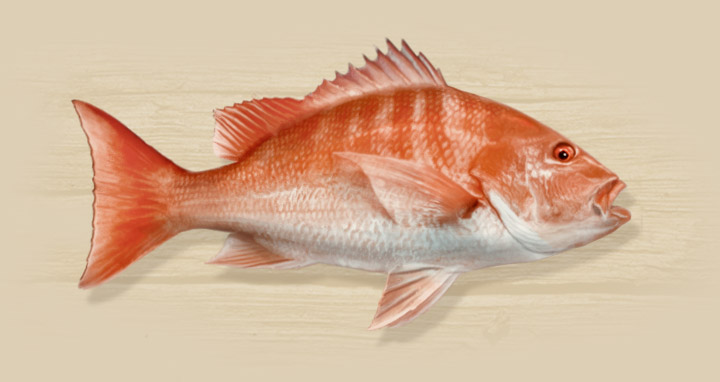
Red snapper season opened in Louisiana STATE waters on Friday, March 20, 2015, at 12:01 a.m. and will remain open seven days per week until further notice.
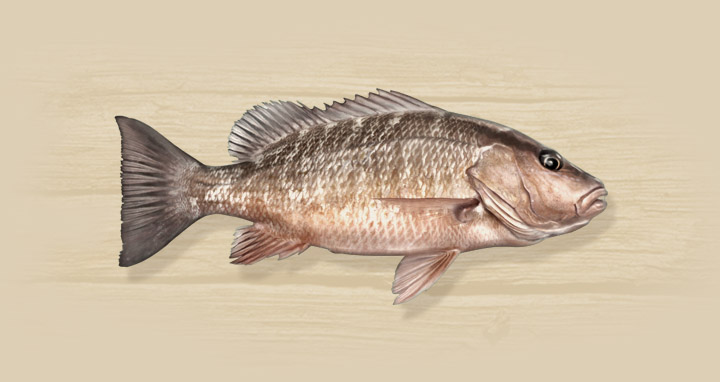
Non-charter recreational anglers and charter captains must obtain a Recreational Offshore Landing Permit to posses snapper.
No harvest of red snapper, greater amberjack or grouper of any species is allowed for the captain and crew of vessel under charter (their creel limit/bag limit is zero).
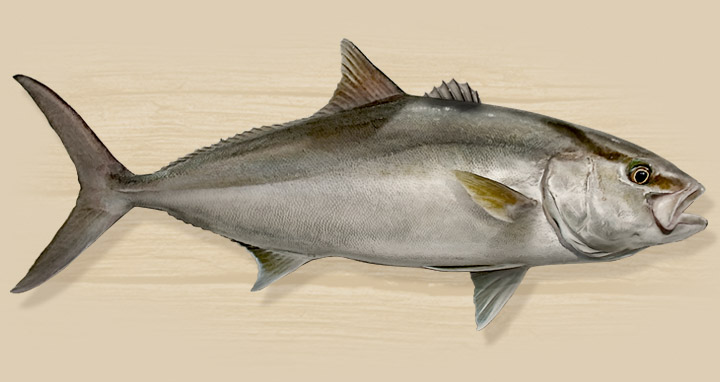
All recreational anglers, including those not normally required to have a fishing license, must obtain a Recreational Offshore Landing Permit to posses tunas, billfish, swordfish, amberjacks, groupers, cobia, wahoo, hinds, dolphin and snappers.
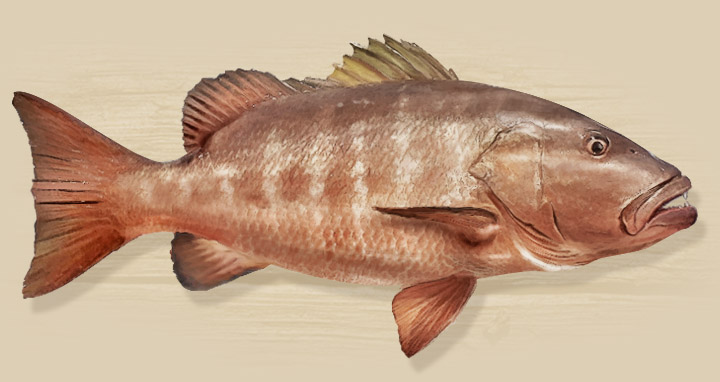
All recreational anglers, including those not normally required to have a fishing license, and charter captains must obtain Recreational Offshore Landing Permit to possess grouper.
There is a closed season for the recreational harvest of gag from January 1 through June 30. A closed season for the recreational harvest of black, red, yellowfin and yellowmouth groupers as well as rock hind, red hind and scamp has also been established from Feb. 1 - March 31 of each year. Size, bag and possession limits have been removed for rock hind, red hind, misty grouper, black sea bass, dog snapper, mahogany snapper, schoolmaster, blackline and anchor tilefish.
Other seasons and rules are currently in place in Federal waters off of Louisiana. Please check those rules at www.gulfcouncil.org under “Fishing Regulations.”
All recreational anglers, including those not normally required to have a fishing license, and charter captains must obtain a Recreational Offshore Landing Permit to possess tuna.
Anglers fishing for tunas within or outside Louisiana state waters are subject to both state and federal laws, rules and regulations. Federal regulations regarding the recreational harvest of tunas change often, especially for bluefin tuna. Prior to angling for or harvest of tuna, be aware of the most current federal regulations for fishing or harvest, including sizes, bag limits and closed seasons. For updates on tuna quota monitoring and tuna retention limit adjustments, anglers may call the Atlantic Tunas Information Line at 888-872-8862. The “Atlantic Tunas Regulations Brochure” is available at http://hmspermits.noaa.gov/ library.asp and announcements of changes may be accessed via the web at http:// hmspermits.noaa.gov/news.asp.
Permanent Louisiana regulations on tuna harvest may be superseded by seasonal changes within the federal regulatory system. See websites referenced above for current federal regulations.
Bluefin Tuna
All bluefin tuna must be reported within 24 hours of landing to NMFS by calling 888-872- 8862 or visiting www.hmspermits.noaa.gov. For further information about angling category permits call the NMFS HMS Division at 888-872-8862 or 301-713-2347.
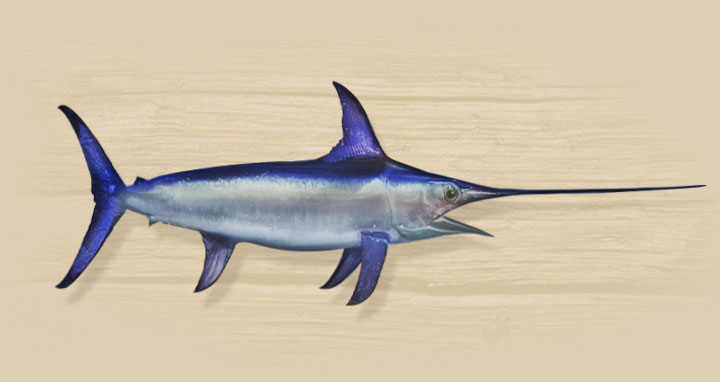
All recreational anglers, including those not normally required to have a fishing license, and charter captains must obtain a Recreational Offshore Landing Permit to possess swordfish.
Recreational fishing vessels shall not possess more than five swordfish per vessel per trip. Swordfish taken under a recreational bag limit shall not be sold, purchased, exchanged, bartered, or attempted to be sold, purchased, exchanged or bartered. No person aboard any vessel shall transfer or cause the transfer of swordfish between vessels on state or federal waters.
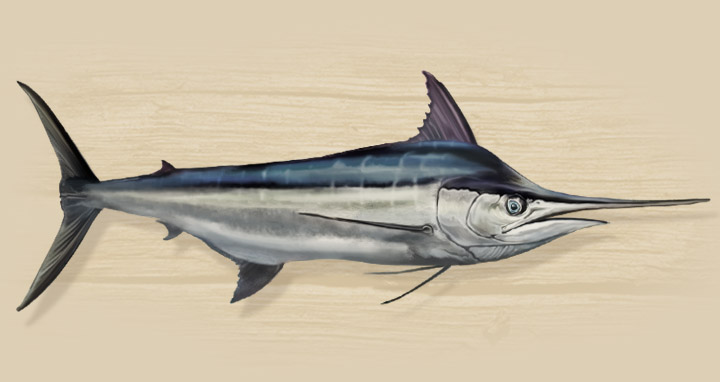
All recreational anglers, including those not normally required to have a fishing license, and charter captains must obtain a Recreational Offshore Landing Permit to possess billfish.
12” minimum total length, 25 fish per person daily bag limit. EXCEPT: 15 fish daily bag and possession limit, with no more than two spotted seatrout exceeding 25” total length, regardless of where taken in a defined area of Cameron and Calcasieu parishes located in southwestern Louisiana. The defined area, including coastal territorial waters, is as follows: south of Interstate 10 from its junction at the Texas-Louisiana boundary eastward to its junction with Louisiana Highway 171, south to Highway 14, south to Holmwood, and then south on Highway 27 through Gibbstown, south to Louisiana Highway 82 at Creole and south on Highway 82 to Oak Grove, then due south to the western shore of the Mermentau River, following this shoreline south to the junction with the Gulf of Mexico, and then due south to the limit of the state territorial sea.
All Louisiana state waters seaward to the gulfward boundary of the Louisiana Territorial Sea shall be closed to the recreational and commercial harvest and possession of all sharks between April 1 and June 30 of each year.
Small Coastal Sharks
Large Coastal Sharks
*NOTE: Recreational harvest of sandbar and silky sharks (ridgeback sharks) is not allowed.
Pelagic Sharks
Prohibited Sharks
A HMS Permit is required for all owners/ operator of vessels in the Gulf of Mexico fishing for and/or retaining the HMS regulated species of tunas, billfishes, swordfish and sharks. The Atlantic HMS Permits will be valid from the date of issuance through the end of the calendar year. The permit fee is $25.
An Atlantic HMS Charter/Headboat Permit is required for all charter or headboat fishing for and/or retaining regulated Atlantic HMS in federal waters of the Gulf of Mexico. The HMS Charter/Headboat Permit will be valid from the date of issuance through through the end of the calendar year. The permit fee is $20.
For information about contact the National Marine Fisheries Service (NMFS) Permitting Office at 1-888-872-8862 or 727-824-5399 or visit the NMFS Permit Shop at www.hmspermits.noaa.gov. For complete HMS regulations, contact the HMS Management Division at 301-713- 2347 or visit the website at www.nmfs.noaa.gov/sfa/hms/information.
Two days’ bag limit allowed in possession off of the water, not while fishing or in a boat.
Recreational saltwater anglers may possess a two day’s bag limit on land; however, no person shall be in possession of over the daily bag limit in any one day or while fishing or while on the water, unless that recreational saltwater angler is aboard a trawler engaged in commercial fishing for a consecutive period of longer than 25 hours.
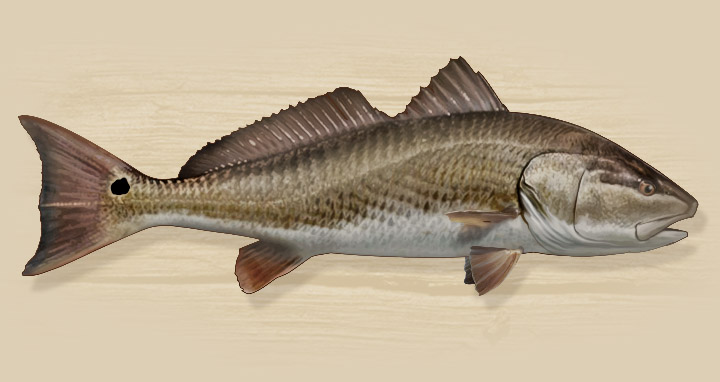
Take or Possession of red drum in federal waters is prohibited.
Not currently regulated by LDWF.

Louisiana Department of Wildlife and Fisheries
P.O. Box 98000 | 2000 Quail Dr.
Baton Rouge, Louisiana 70898
Thank you for visiting FishLA.org! Though, this site is still under development we wanted to give you a sneak peak. We need your feedback and comments to help us build this site in a way that benefits you. Share your thoughts and suggestions by emailing us at the link below: